
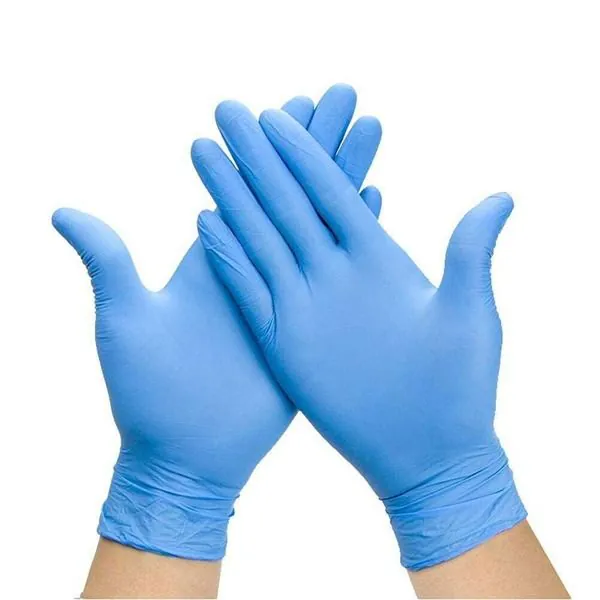
Most businesses don’t overspend on gloves because the price per box is too high. They overspend because they buy the wrong glove for the job. A vinyl glove that splits halfway through cleaning a fryer gets thrown away and replaced. So does a latex glove that triggers a rash on a new staff member. A nitrile glove used to hand over a sandwich is simply more glove than the task needs.
If you run a kitchen, a clinic, a cleaning team or a warehouse in the UAE, choosing a disposable gloves supplier starts with one question: which material fits which task? This guide answers that, then walks through the standards, sizes and buying checks that keep your bulk orders working for you.
The three materials at a glance
| Nitrile | Vinyl (PVC) | Latex | |
| Made from | Synthetic rubber | PVC with plasticisers | Natural rubber |
| Fit | Snug, follows the hand | Loose | Snug, very elastic |
| Puncture and tear resistance | High | Low to medium | Medium to high |
| Resistance to oils and many chemicals | Good | Limited | Limited with oils |
| Allergy risk | Very low (latex-free) | Very low (latex-free) | Latex allergy risk |
| Typical cost | Medium | Lowest | Medium |
| Best for | Food prep, cleaning chemicals, healthcare, automotive | Short, low-risk tasks | Tasks needing fine touch, where allergies are managed |
Nitrile gloves
Nitrile has become the default glove for a reason. It is latex-free, it fits closely, and it holds up when staff handle sharp edges, oily food or cleaning chemicals. Blue and black nitrile are popular in kitchens because a torn piece is easy to spot in food.
Use disposable nitrile gloves for raw meat and fish prep, cleaning with detergents, medical examinations, salons and workshop jobs where hands touch oil or grease.
Vinyl gloves
Vinyl is the budget option, and for the right job it is the sensible one. The loose fit makes it quick to put on and take off, which suits high-turnover tasks where gloves are changed every few minutes.
Use disposable vinyl gloves for sandwich assembly, serving counters, light housekeeping and handing over food. Avoid them for long tasks, sharp items or strong chemicals. If your team handles oily or fatty foods, ask your supplier whether the vinyl gloves are rated for food contact and phthalate-free.
Latex gloves
Latex still gives the best stretch and fingertip feel, which is why some dental and laboratory users prefer it. The drawback is latex allergy, which can affect both the wearer and the person being touched. Many hospitals, clinics and food businesses now avoid latex for that reason.
Use disposable latex gloves only where fine touch matters and you know nobody involved is sensitive to latex.
Match the glove to the job
| Workplace | Common task | Glove that usually fits |
| Restaurant or cloud kitchen | Raw meat, marinades, fried food | Nitrile |
| Café or sandwich counter | Assembly, serving, packing orders | Vinyl |
| Clinic or pharmacy | Examinations, dressing changes | Nitrile (latex only if allergies are ruled out) |
| Cleaning and facility management | Detergents, disinfectants, washrooms | Nitrile |
| Salon or spa | Hair colour, treatments | Nitrile |
| Warehouse or workshop | Oil, grease, light assembly | Nitrile |
For heavy-duty work, a disposable glove is the wrong tool altogether. Reusable dotted grip gloves suit loading and handling, and welding gloves suit hot work.
Standards worth asking about
A reliable disposable gloves supplier should be able to tell you which standard a glove is tested to, and show the datasheet. These are the ones that come up most often:
- EN 455 covers single-use medical gloves, including a test for pinholes. A lower AQL (acceptable quality level) figure means fewer defects are allowed per batch.
- EN ISO 374 covers protection against chemicals and micro-organisms. It matters for cleaning teams and anyone handling disinfectants.
- Food contact compliance confirms a glove is suitable for touching food. Packs often carry the glass-and-fork symbol used in Europe.
- ASTM D6319, D5250 and D3578 are the US standards for nitrile, vinyl and latex examination gloves.
Powder-free is now the norm. The US FDA banned powdered medical gloves in 2017, and most food businesses avoid powder because it can end up on food.
Get the size right
A glove that is too big slips and snags. One that is too small tears at the knuckles and tires the hand. Order a mix of sizes (S, M, L and XL) based on your actual team rather than buying everything in medium. Keep a few boxes of each size at every station so staff don’t make do with the wrong one.
What to check before you buy in bulk
Run through this list with any supplier before you place a large order:
- Material and thickness. Ask for the glove weight or thickness, not just “heavy duty”.
- Standards and datasheet. Get the test standard and AQL in writing.
- Food or medical use. Confirm the glove is approved for the use you have in mind.
- Pack size. Gloves usually come 100 to a box, with several boxes to a carton. Compare the price per glove, not per box.
- Batch consistency. Ask whether the next order will come from the same manufacturer.
- Stock and lead time. Check what is held in UAE stock and how fast reorders arrive.
- Samples. Test a box on your busiest shift before committing.
Storing gloves in UAE heat
Heat and sunlight shorten glove life. Nitrile and latex can turn brittle or sticky if boxes sit in a hot store or a delivery van through the summer. Keep stock in a cool, dry room away from direct sun, and use older boxes first.
Good glove habits for food businesses
Gloves only protect food when they are used properly. Standard food hygiene practice in Dubai treats them as single-use items. Staff wash their hands before putting gloves on. They change gloves when a glove tears, when the task changes, and after handling raw food, waste or cash.
Why buy from a local supplier
Buying from a supplier with stock in Dubai means shorter lead times and fewer surprises when demand jumps. It also means one partner for related items: disposable aprons, hairnets, shoe covers and face masks.
Al Kahf General Trading LLC supplies nitrile, vinyl and latex gloves in bulk across the UAE, the GCC and Africa from our warehouse in Al Qusais Industrial Area 5, Dubai. You can browse the full range in our medical and non-medical disposables section, or contact our team for samples, datasheets and a bulk quote.
Frequently asked questions
Which disposable gloves are best for food handling?
Nitrile suits most food prep because it is strong, latex-free and resists oils. Vinyl works for quick, low-risk tasks such as serving or sandwich assembly. Either way, check that the glove is rated for food contact.
Are nitrile gloves better than vinyl gloves?
Nitrile is stronger, fits better and resists more chemicals. Vinyl costs less and is fine for short tasks. The better glove is the one that matches the task.
Why do some workplaces avoid latex gloves?
Latex can cause allergic reactions in staff, patients or customers. Nitrile gives similar protection without that risk.
How many gloves come in a box?
Most disposable gloves come in boxes of 100, packed in cartons of several boxes. Confirm the exact count with your supplier before comparing prices.
Do you supply disposable gloves in bulk across the UAE?
Yes. Al Kahf General Trading LLC supplies bulk disposable gloves to businesses across the UAE and exports to the GCC and Africa. Get in touch for current stock and pricing.