
Packaging plays a vital role in the food service industry. From protecting food quality to shaping customer perception, the choice of wrapping material can directly impact your brand image and operational efficiency. One of the most common questions food business owners ask is: Printed sandwich paper or plain paper— which is better?
This article provides a detailed comparison of printed sandwich paper and plain paper, helping cafés, restaurants, bakeries, and food manufacturers make an informed decision based on branding, hygiene, cost, and customer experience.
What Is Printed Sandwich Paper?
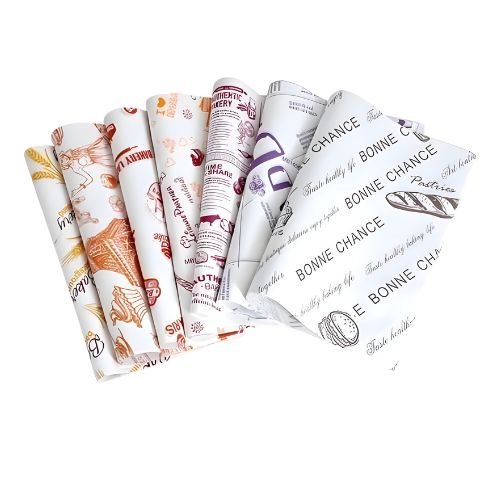
Printed sandwich paper is a food-grade wrapping paper customized with logos, patterns, or brand messages. It is widely used by:
- Cafés and coffee shops
- Bakeries and patisseries
- Fast food outlets
- Food trucks and takeaway brands
This paper is typically grease-resistant and designed to maintain food freshness while promoting brand identity.
What Is Plain Paper?
Plain paper is a non-printed food wrapping paper, usually white or brown, used mainly for basic food packaging. It focuses on functionality rather than branding and is commonly used in:
- Small food stalls
- Temporary food setups
- Cost-sensitive operations
Key Differences Between Printed Sandwich Paper and Plain Paper
1. Branding & Customer Perception
Printed Sandwich Paper
- Enhances brand visibility
- Creates a professional appearance
- Improves customer recall
- Adds perceived value to food products
Plain Paper
- No branding opportunity
- Basic and generic appearance
- Limited impact on customer experience
Winner: Printed Sandwich Paper
2. Hygiene & Food Safety
Both options can be food-safe if sourced from reliable suppliers, but printed sandwich paper is often manufactured with:
- Certified food-grade inks
- Better grease resistance
- Improved moisture control
Plain paper may lack protective coatings, especially in low-cost variants.
Winner: Printed Sandwich Paper (when sourced from trusted suppliers)
3. Marketing & Brand Promotion
Printed sandwich paper acts as a silent marketing tool:
- Your logo travels with every order
- Customers associate packaging with quality
- Ideal for takeaway and delivery businesses
Plain paper does not support branding or marketing efforts.
Winner: Printed Sandwich Paper
4. Cost Comparison
Plain Paper
- Lower upfront cost
- Suitable for businesses with tight budgets
Printed Sandwich Paper
- Slightly higher cost
- More cost-effective in bulk orders
- Reduces need for additional branding materials
Over time, printed paper often delivers better return on investment through brand visibility.
Winner: Depends on business goals
5. Suitability for Different Food Businesses
| Business Type | Recommended Option |
|---|---|
| Cafés & Coffee Shops | Printed Sandwich Paper |
| Bakeries & Dessert Shops | Printed Sandwich Paper |
| Fast Food & Takeaway | Printed Sandwich Paper |
| Small Vendors | Plain Paper |
| Event Catering | Printed Sandwich Paper |
Why More Businesses Are Switching to Printed Sandwich Paper
In competitive food markets, packaging is no longer just about wrapping food—it’s about creating a brand experience. Businesses using printed sandwich paper benefit from:
- Stronger brand recognition
- More social media visibility
- Higher perceived food quality
- Professional presentation
Choosing the Right Printed Sandwich Paper Supplier
When selecting a supplier, ensure they offer:
- Food-grade certified materials
- Custom printing options
- Greaseproof and moisture-resistant paper
- Consistent quality and reliable delivery
At Alkahf, businesses can source high-quality printed sandwich paper designed for food safety, durability, and branding excellence.
Environmental Considerations
Modern printed sandwich papers are available in:
- Recyclable materials
- Eco-friendly inks
- Biodegradable paper options
This makes them suitable for businesses aiming to reduce environmental impact without compromising branding.
Final Verdict: Which One Is Better?
If your business focuses on branding, customer experience, and long-term growth, printed sandwich paper is the clear winner. While plain paper may seem economical initially, printed sandwich paper provides added value through marketing, professionalism, and brand visibility.
Conclusion
The choice between printed sandwich paper and plain paper depends on your business goals. For food businesses looking to stand out in competitive markets, printed sandwich paper offers a smart balance of functionality, hygiene, and branding power.
Investing in the right packaging today can significantly elevate how customers perceive your brand tomorrow.