
Achieving perfect baking results is not just about the recipe — the tools you use play an equally important role. Among these tools, baking sheets are one of the most essential yet often overlooked items in any professional kitchen, bakery, café, or food production unit. Choosing the right baking sheet can directly impact texture, color, consistency, and overall food quality.
In the UAE’s fast-growing food service and bakery industry, where quality and efficiency are critical, selecting the correct baking sheets ensures consistent output, reduced waste, and improved productivity. This guide will help you understand how to choose the best baking sheets based on material, coating, size, and intended use — so you get perfect results every time.
Why Baking Sheets Matter in Professional Baking
Baking sheets do more than hold food in the oven. They influence:
- Even heat distribution
- Browning and crispness
- Baking time consistency
- Ease of food release
- Cleaning and maintenance efficiency
For commercial kitchens, poor-quality baking sheets can lead to uneven baking, burnt edges, undercooked centers, and frequent replacements — all of which increase operational costs.
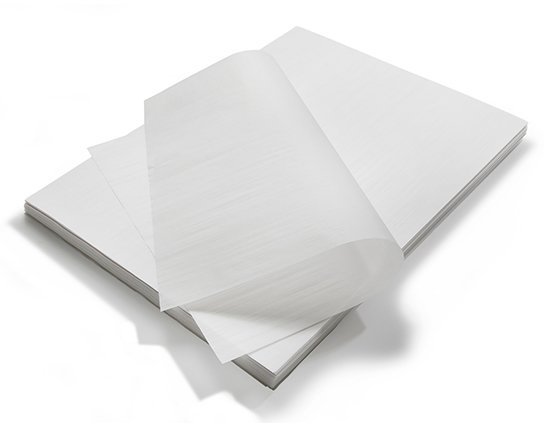
Types of Baking Sheets and Their Uses
Understanding different baking sheet types helps you choose the right option for your application.
1. Aluminum Baking Sheets
Aluminum is one of the most widely used materials due to its excellent heat conductivity.
Best for:
- Cookies
- Pastries
- Breads
- Commercial bakery operations
Advantages:
- Even heat distribution
- Lightweight
- Cost-effective
2. Aluminized Steel Baking Sheets
These sheets combine the strength of steel with aluminum’s heat performance.
Best for:
- High-volume commercial baking
- Industrial food production
Advantages:
- Durable and warp-resistant
- Long lifespan
- Uniform baking results
3. Non-Stick Baking Sheets
Coated baking sheets make food release easy and reduce oil usage.
Best for:
- Delicate baked goods
- Sticky recipes
- Fast-paced kitchens
Advantages:
- Easy food release
- Less greasing required
- Faster cleaning
4. Silicone-Coated Baking Sheets
Often used in professional environments requiring easy maintenance.
Best for:
- Repetitive baking cycles
- Frozen-to-oven products
Advantages:
- Chemical-resistant coating
- Easy cleaning
- Long-term performance
Key Factors to Consider When Choosing Baking Sheets
1. Material Quality
Choose food-grade materials that meet hygiene and safety standards. High-quality materials ensure consistent baking and reduce replacement frequency.
2. Thickness & Gauge
Thicker baking sheets prevent warping at high temperatures and distribute heat evenly, which is essential for commercial ovens.
3. Size & Compatibility
Ensure baking sheets match your oven dimensions. Standard and custom sizes are commonly used in UAE bakeries and industrial kitchens.
4. Edge Design
Rolled edges add strength and prevent bending, making them ideal for heavy-duty use.
5. Ease of Cleaning
Non-stick and coated baking sheets reduce cleaning time, improving kitchen efficiency.
Choosing Baking Sheets for Commercial Use in UAE
In the UAE’s competitive food industry, businesses need reliable baking equipment that performs under continuous use. Commercial bakeries, hotels, catering units, and food factories benefit from sourcing baking sheets from trusted suppliers who understand regional requirements such as:
- High-temperature resistance
- Bulk supply availability
- Consistent quality standards
- Fast local delivery
Working with an experienced supplier ensures long-term value and operational efficiency.
Why Buy Baking Sheets from a Trusted UAE Supplier
A reliable UAE-based supplier offers:
- Consistent product quality
- Bulk and wholesale pricing
- Quick delivery across Dubai and GCC
- Support for bakeries, restaurants, and food manufacturers
Suppliers like Al Kahf General Trading LLC provide baking sheets that meet commercial standards while supporting businesses with dependable supply and competitive pricing.
Conclusion
Choosing the right baking sheets is essential for achieving perfect baking results — whether you operate a small bakery or a large-scale food production unit. By focusing on material quality, thickness, coating, and compatibility, you can significantly improve baking consistency, reduce waste, and enhance productivity.
Investing in high-quality baking sheets from a trusted supplier ensures your kitchen delivers excellence with every batch.
FAQs
Q1: What is the best material for baking sheets?
Aluminum and aluminized steel are the most preferred materials due to even heat distribution and durability.
Q2: Are non-stick baking sheets safe for commercial use?
Yes, food-grade non-stick baking sheets are safe and widely used in professional kitchens.
Q3: How long do commercial baking sheets last?
With proper use and cleaning, high-quality baking sheets can last several years in commercial environments.